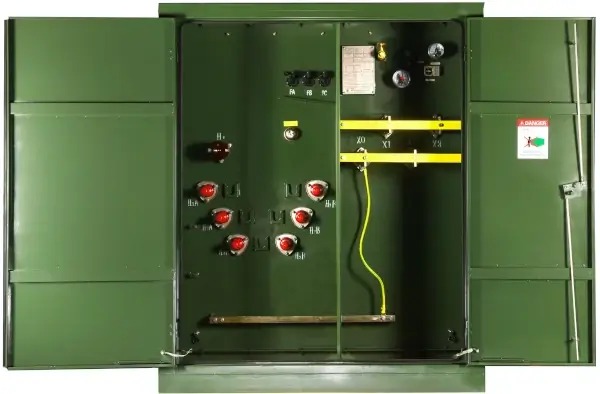

As power distribution systems continue to evolve, choosing the right type of transformer has become increasingly important for utilities, developers, and facility managers. Among the most commonly compared options are the 3 phase pad mount transformer and traditional distribution transformers, particularly pole-mounted units. Each serves the same fundamental purpose—stepping voltage up or down—but their design, installation, and performance characteristics differ significantly.
Understanding these differences helps in selecting the most suitable solution based on safety, environment, cost, and long-term efficiency. This comparison explores how a three phase distribution transformer in pad-mounted form compares with traditional alternatives and why pad-mounted designs are increasingly favored in modern infrastructure.
What is a Traditional Distribution Transformer?
A three phase distribution transformer refers to a transformer used to distribute electrical power to end users. Traditional designs are typically pole-mounted or ground-mounted in open substations. Pole-mounted transformers are installed on utility poles and are commonly seen in both urban and rural areas.
These transformers receive high-voltage electricity from transmission lines and step it down to usable levels for homes, businesses, and industries. While they have been widely used for decades, their limitations have led to the rise of more advanced alternatives like pad-mounted transformers.
What is a 3 Phase Pad Mount Transformer?
A 3 phase pad mount transformer is a type of three phase distribution transformer installed at ground level on a concrete pad and enclosed within a secure, tamper-resistant cabinet. It is specifically designed for underground power distribution systems.
Unlike pole-mounted units, pad-mounted transformers are fully enclosed and connected to underground cables. This design enhances safety, improves aesthetics, and aligns with modern urban infrastructure requirements.
Key Differences Between Pad-Mounted and Traditional Transformers
1. Installation and Design
The most obvious difference lies in how the transformers are installed.
- Pole-Mounted Transformers: Installed on utility poles, elevated above ground level
- Pad-Mounted Transformers: Installed on a concrete pad at ground level, enclosed in a cabinet
A 3 phase pad mount transformer eliminates the need for overhead structures, making it ideal for underground distribution systems. In contrast, traditional pole-mounted transformers rely on overhead lines, which can clutter the landscape and require more structural support.
2. Safety Features
Safety is a major differentiator between the two transformer types.
Pole-mounted transformers are exposed and elevated, which reduces casual contact but still leaves components vulnerable to environmental hazards and accidental interference. Maintenance often requires technicians to work at heights, increasing risk.
On the other hand, a 3 phase pad mount transformer is designed with safety as a priority:
- Fully enclosed and tamper-proof
- Locked compartments prevent unauthorized access
- Ground-level design reduces maintenance risks
- Integrated safety features such as fuses and surge protection
Because of these features, pad-mounted transformers are considered safer for use in residential neighborhoods, schools, and public spaces.
3. Aesthetic Impact
In modern urban planning, aesthetics play a crucial role. Traditional three phase distribution transformer setups with overhead lines and poles can create visual clutter and reduce the overall appeal of an area.
A 3 phase pad mount transformer, however, supports underground cabling, which eliminates the need for visible wires and poles. This results in:
- Cleaner streetscapes
- Improved property value
- Better integration with landscaping and architecture
For this reason, pad-mounted transformers are widely used in residential communities, commercial complexes, and urban developments where appearance matters.
4. Maintenance and Accessibility
Maintenance requirements and accessibility differ significantly between the two systems.
Pole-Mounted Transformers:
- Require specialized equipment such as bucket trucks
- Maintenance can be time-consuming and costly
- Exposure to weather increases wear and tear
Pad-Mounted Transformers:
- Easily accessible at ground level
- Faster inspection and servicing
- Reduced maintenance complexity
A 3 phase pad mount transformer allows technicians to perform maintenance safely and efficiently without working at heights. This not only reduces labor costs but also minimizes downtime.
5. Environmental Exposure
Traditional transformers are more exposed to environmental factors such as wind, rain, lightning, and falling debris. Overhead lines connected to pole-mounted units are particularly vulnerable during storms.
In contrast, a 3 phase pad mount transformer is designed to withstand harsh conditions:
- Enclosed cabinet protects internal components
- Underground cables are less affected by weather
- Reduced risk of outages caused by external damage
This makes pad-mounted transformers more reliable in environments prone to extreme weather.
6. Space Utilization
Space efficiency is another important consideration.
Pole-mounted transformers require vertical space and clearances for safety. In crowded urban areas, this can be challenging to manage.
A 3 phase pad mount transformer uses minimal ground space and does not require overhead clearance. Its compact footprint makes it ideal for:
- Urban neighborhoods
- Commercial complexes
- Industrial parks
This efficient use of space allows for better planning and utilization of land.
7. Load Capacity and Performance
Both transformer types can handle similar electrical loads, but a three phase distribution transformer in pad-mounted form often offers improved performance in modern systems.
Pad-mounted transformers are designed for balanced three-phase loads, which results in:
- Better voltage stability
- Higher efficiency
- Reduced energy losses
While pole-mounted transformers can also deliver reliable performance, pad-mounted units are better suited for high-demand applications and continuous operation.
8. Cost Considerations
Initial costs can vary depending on the type of transformer and installation requirements.
- Pole-Mounted Transformers: Lower upfront cost, especially in areas with existing overhead infrastructure
- Pad-Mounted Transformers: Higher initial cost due to underground cabling and enclosure
However, a 3 phase pad mount transformer often provides better long-term value due to:
- Lower maintenance costs
- Reduced outage risks
- Longer lifespan
When considering total cost of ownership, pad-mounted transformers can be more economical over time.
Why Pad-Mounted Transformers Are Preferred in Urban Areas
Urban environments demand solutions that prioritize safety, efficiency, and aesthetics. This is where the 3 phase pad mount transformer stands out.
1. Underground Distribution Compatibility
Cities are increasingly adopting underground power systems to improve reliability and reduce visual clutter. Pad-mounted transformers are specifically designed for this purpose, making them the ideal choice for modern urban infrastructure.
2. Enhanced Public Safety
With their enclosed and tamper-proof design, pad-mounted transformers reduce the risk of electrical accidents. This is especially important in densely populated areas where public safety is a top priority.
3. Improved Urban Aesthetics
By eliminating overhead lines and poles, pad-mounted transformers contribute to cleaner and more attractive cityscapes. This aligns with urban development goals focused on sustainability and livability.
4. Reliable Power Supply
A three phase distribution transformer in pad-mounted form provides stable and efficient power, supporting the needs of commercial buildings, residential complexes, and public infrastructure.
5. Flexibility in Installation
Pad-mounted transformers can be installed in a variety of locations, including sidewalks, parking lots, and landscaped areas. Their flexibility makes them suitable for diverse urban applications.
Applications Where Each Type is Used
Pad-Mounted Transformers
- Residential communities with underground wiring
- Commercial and retail complexes
- Hospitals, schools, and public facilities
- Industrial parks and business zones
Traditional Pole-Mounted Transformers
- Rural and remote areas
- مناطق with existing overhead infrastructure
- Low-density residential regions
- مناطق where underground cabling is not feasible
Conclusion
Both the 3 phase pad mount transformer and traditional three phase distribution transformer play important roles in power distribution. However, their differences in design, safety, and application make each suitable for specific environments.
Pole-mounted transformers remain a practical choice for rural and low-density areas due to their lower initial cost and simpler installation. However, they come with limitations in terms of safety, aesthetics, and maintenance.
In contrast, the 3 phase pad mount transformer offers a modern solution that aligns with the demands of urban infrastructure. Its enclosed design, compatibility with underground systems, and enhanced safety features make it the preferred choice for cities and commercial developments.
As power distribution continues to advance, pad-mounted transformers are becoming the standard for efficient, safe, and visually appealing electrical systems.